


Essential tips for preserving food freshness in the fridge
According to statistics from the Ministry of Agriculture, in Vietnam, 8.8 million tons of food are wasted each year, which amounts to 3.9 billion USD, about 2% of our GDP. There is nothing worse than having to throw away good quality dairy or meat products simply because they were not stored properly. Therefore, we provide tips on how to organize the food inside your refrigerator to keep it fresh longer—saving both your money and the environment will thank you.
1. Leftovers
– All leftovers should be stored in airtight, transparent containers. You can choose from reputable products on the market such as Tupperware, Lock&Lock, HappyCook, etc. These brands are highly rated by homemakers both domestically and internationally—they are super airtight and extremely durable, keeping your food as fresh as possible.
– Follow the “First in – First out” rule: Always use older food first.
– Cool leftovers within two hours of cooking. You don’t need to wait for the food to cool down before storing it—the modern refrigerator can handle this safely.
– Don’t hesitate to throw away any perishable food left out at room temperature for more than two hours (one hour if the temperature is above 32°C, such as during a summer picnic).
– Divide leftovers into small, flat containers to cool faster. Some bacteria may survive the cooking process and can grow if food stays at room temperature too long.
– Regularly check that your refrigerator is set to 4°C or lower. Don’t rely solely on pre-set settings—use a refrigerator thermometer for accuracy.
– For canned foods like canned fish or meat, transfer them to a different container if there are leftovers. After opening the lid, metal residue on the can’s edge can leach into the food and leave a strange taste.
Nutrition experts recommend consuming chilled leftovers within 3-5 days or freezing them for up to 4 months.
2. Meat, Fish, and Poultry
– Store these foods in the coldest part of the refrigerator, ideally in their designated compartments. If your refrigerator allows you to adjust the temperature of the meat drawer, set it to -2°C.
– Keep all fresh meat, fish, and poultry in their original packaging from the store, as re-wrapping increases the risk of exposure to harmful bacteria. If the food is not in a foam tray, place a plate underneath it to catch any drips.
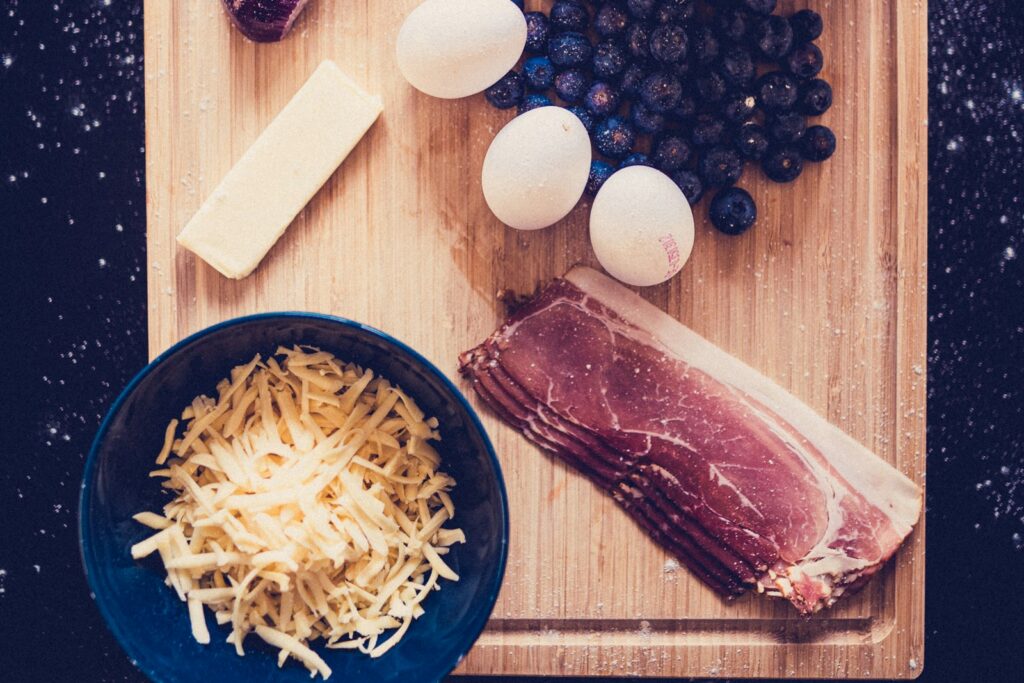
3. Dairy Products

– Do not store milk in the refrigerator door. This is the area with the most temperature fluctuations. Use this spot only for drinks and condiments.
– When buying new milk, push the old ones to the front so they are used before the expiration date.
– Keep fresh cheese, yogurt, eggs, sour cream, milk, and cream in their original containers. However, if you transfer milk to another jug or cream to a different bowl for consumption, don’t put them back into their old containers. Instead, cover the jug tightly or use plastic wrap.
– Store hard cheese in its original packaging until use, then wrap it in wax paper or aluminum foil.
– A plastic milk jug is better than a cardboard container, as bacteria can grow near the spout of the cardboard container and contaminate the milk every time you pour it. However, as long as you use the milk within the expiration date, it will be safe.

4. Fruits and Vegetables
– Separate fruits and vegetables for storage, especially bananas, avocados, and apples. These fruits and vegetables can produce gases that cause other items to spoil faster. However, bell peppers, berries, and kale can be stored anywhere.
– Do not wash produce before placing it in the refrigerator. You can keep them in their original packaging or put them in loosely tied plastic bags (mushrooms and herbs are exceptions).
– If your leafy greens seem sandy or dirty—wash and dry them, then wrap them in paper towels before placing them in plastic bags. Otherwise, avoid washing produce before refrigeration. Moisture can cause quicker spoilage.
– Store pre-cut fruits and vegetables in the refrigerator in perforated plastic bags or loosely covered containers to maintain moisture and allow air circulation.
– It’s best to store citrus fruits at room temperature. However, once lemons or oranges become overripe, storing them in the refrigerator will keep them fresh longer (similarly for tomatoes and avocados). If they start to change color, you can slice them and freeze them: frozen citrus ice cubes are a fun addition to summer drinks.
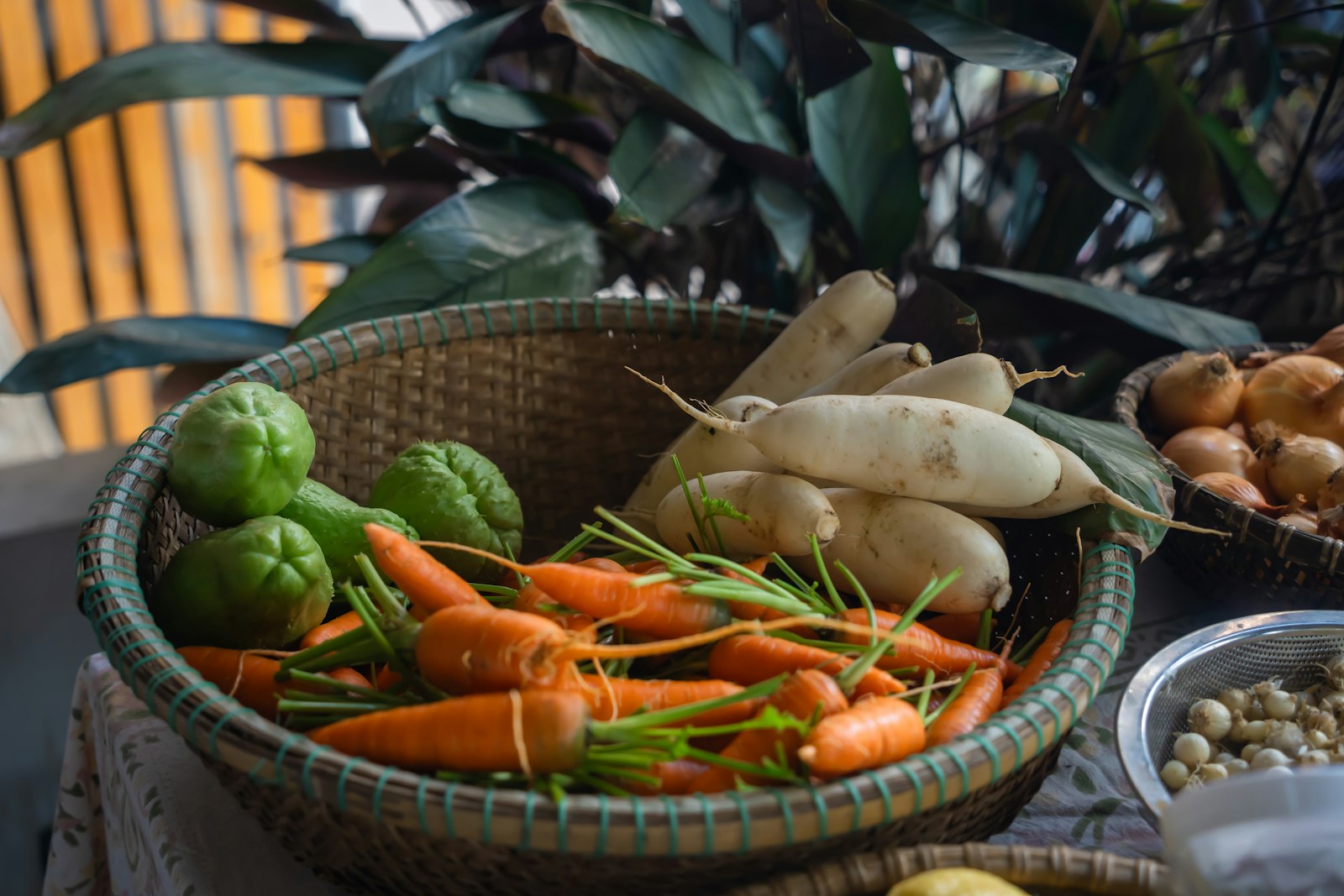
– Store potatoes and onions in a cool, dark place to keep them fresh, such as the refrigerator drawer. Avoid putting these items in plastic bags as they will spoil faster. After cutting, store onions in a zip-lock bag in the refrigerator; they will last about a week, or in a container in the freezer.
– Apples will stay fresh without needing to be stored in plastic bags or airtight containers; you can keep them directly on a shelf or tray in the refrigerator.
– Unripe avocados should be kept out of the refrigerator. But when you want to store half of a ripe avocado for later use, spread a layer of lemon juice on it. The acid in the lemon will help the avocado stay fresh longer and prevent browning.

LET CALIBEE TAKE CARE OF YOUR HOME