


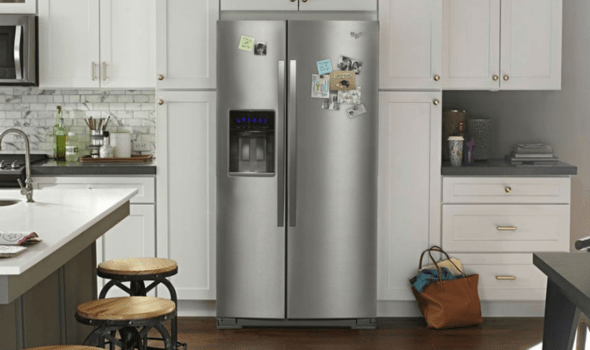
How to clean a refrigerator like a professional
Keeping your refrigerator clean is crucial to ensure its primary function of preventing food spoilage. Refrigerators can easily become unsanitary due to stains and spills on shelves, which create conditions for mold growth, potentially harming your family’s health. You can read more in our article: What happens if you don’t clean your refrigerator regularly?
In this article, we will provide a step-by-step guide on:
- • How to perfectly clean your refrigerator.
- • How to maintain a clean refrigerator to prevent the growth of harmful mold.
9-Step Refrigerator Cleaning Process
1. Empty the Refrigerator
You can simply move everything from inside the refrigerator to the kitchen counter for easy cleaning, but it would be even better if you pay attention to the following details:
-Check expiration dates and discard expired items.
-Wipe the bottoms of bottles and jars before transferring them.
-Store meat, fish, and dairy products in a cooler on hot days (bacteria can multiply quickly at room temperature).
–Melissa Maker from Clean My Space suggests: “To avoid wasting energy, instead of unplugging the refrigerator, I simply turn off its cooling mechanism.”
-It’s easier to clean the refrigerator just before new food is delivered or before a shopping day. Similarly, empty the freezer as much as possible before cleaning it.

2. Soak the Shelves and Drawers

Have you ever experienced breaking plastic shelves when trying to remove them from the refrigerator? Simply unplugging or turning off the refrigerator and waiting until it reaches room temperature before removing them can reduce the risk of breakage.
Additionally, glass or plastic shelves and drawers may break if you remove them from the refrigerator and immediately place them in hot water. So, wait until they reach room temperature (you can clean the inside of the refrigerator while waiting), then soak them in hot, soapy water.
3. Clean Inside the Refrigerator
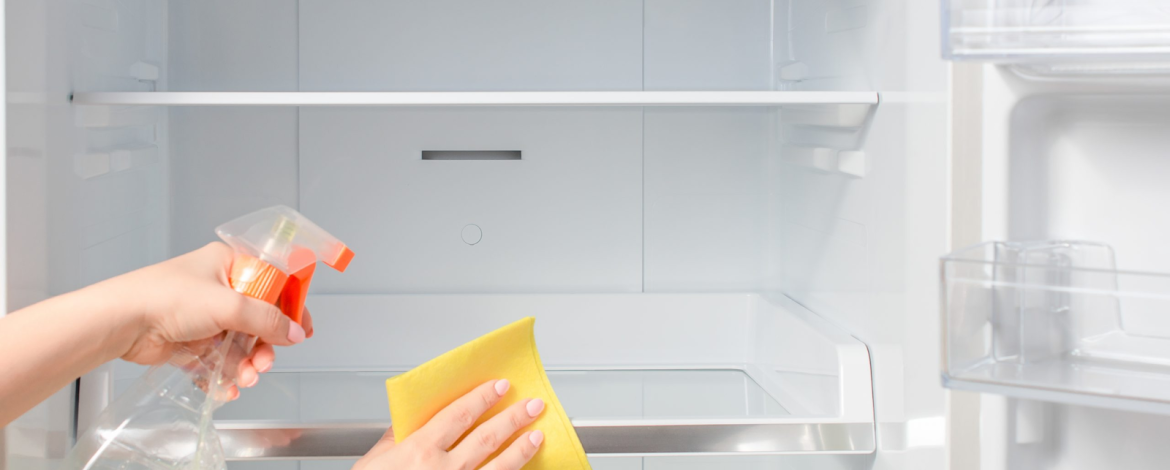
One of the most cost-effective ways to deodorize your refrigerator is to use vinegar. Spray a solution of vinegar and water inside the refrigerator once the shelves and drawers have been removed, paying special attention to areas with stubborn stains. While you clean the removed shelves, allow the vinegar solution to soak into any grime. Then, return to the refrigerator and thoroughly wipe it down with a lint-free cloth. Not only does the vinegar solution kill bacteria and remove stains, but it also helps eliminate odors from the refrigerator. To ensure any dust falls into the clean areas at the bottom of the refrigerator, clean from top to bottom.
Similarly, baking soda can also clean a smelly refrigerator. Natural cleaning products like baking soda are preferable, as, as mentioned above, chemical cleaners can leave odors that may be absorbed by your food. This is especially true for cleaning with baking soda, as it also helps eliminate unpleasant smells in the refrigerator.
If your refrigerator isn’t too dirty, you can simply wipe the interior with a mixture of hot water and baking soda, clean with a fresh cloth, and then dry with paper towels. Always make sure to thoroughly dry the refrigerator before restocking and closing the door.
For food residues that are firmly stuck due to long-term buildup, let the cleaning mixture sit for about ten minutes before wiping clean.
4. Clean the Drain Hole
Even if your refrigerator is functioning well and there are no water puddles, this should still be included as part of a deep cleaning process. Start by removing the crisper drawers from the refrigerator, then use a drain cleaning tool to clear any clogs.

If the clogging materials have been there for a long time, there may be some unpleasant surprises behind the refrigerator, such as mold and mildew. To remove them, use a syringe to inject a small amount of vinegar and water into the drain.
Assuming that the drain cleaning tool has removed most of the debris, use a cotton swab to clean any remaining residue around the drain with the vinegar and water solution.
5. Clean the Shelves
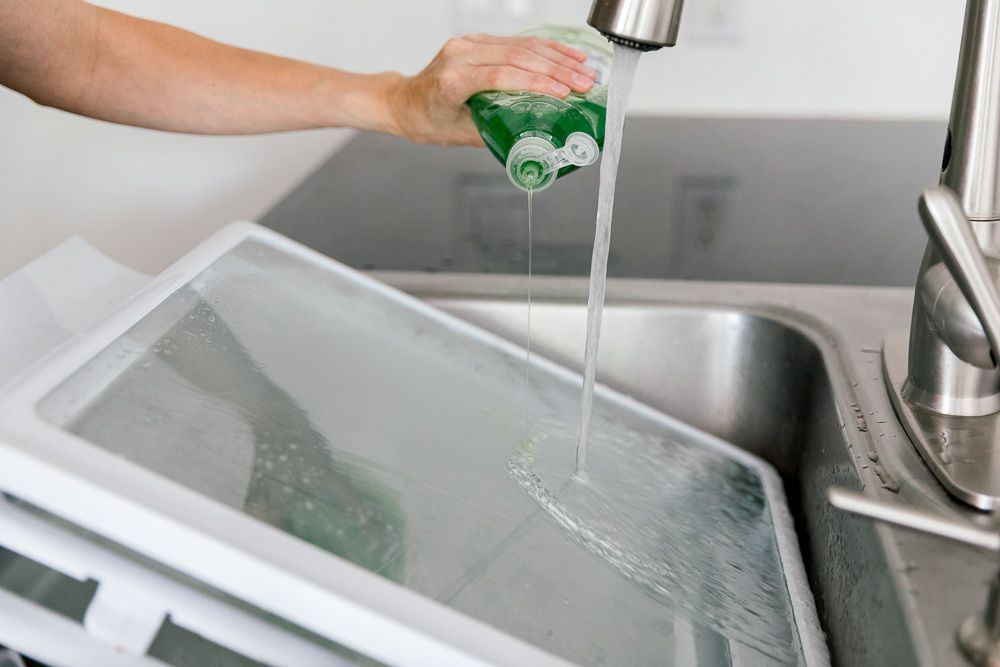
After removing the shelves and allowing them to reach room temperature, wash them thoroughly in warm, soapy water. However, there might still be stubborn stains between the shelf surface and the surrounding areas. To remove these, we recommend using a popsicle stick. Simply run the stick along the edges of the shelves and then wipe away the dirt.
Remember the cotton swab you used earlier to clean the drain? It’s also very useful for removing food particles from the crevices on the refrigerator’s surfaces. An old toothbrush can serve a similar purpose.
If you want to avoid washing your shelves, drawers, and refrigerator bins with soapy water, you can try using a few tablespoons of baking soda in warm water. But be careful not to put the refrigerator parts in the dishwasher: the water is too hot, especially for plastic materials.
6. Cleaning the Refrigerator Door Gaskets
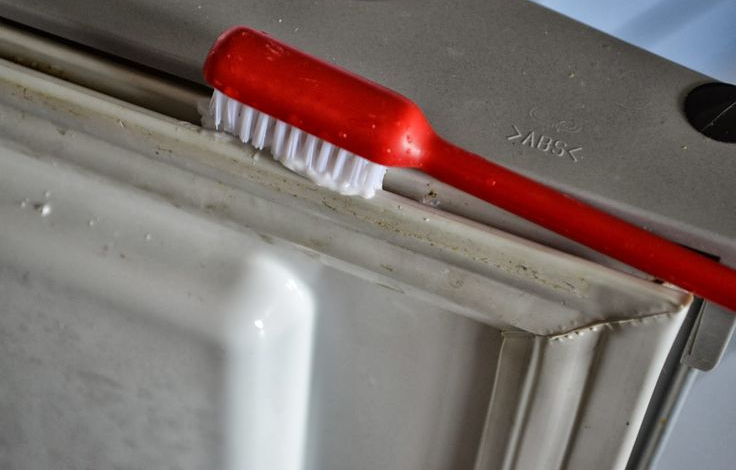
Refrigerator door gaskets can quickly become filled with debris and spills from food or liquids, so use a handheld vacuum or an old toothbrush to clean them each time you tidy up.
Then, take a soft cloth, wrap it around a blunt object, preferably a butter knife, and dip it into a vinegar/water solution. Gently run it along the crevices of the gasket to collect debris. Use a dry cloth or paper towel to repeat the process – this will ensure the crevices are dry and clean before you close the refrigerator door.
7. Clean the Freezer
First, place a towel at the bottom of the freezer to absorb any water that spills out while defrosting.
When defrosting the freezer, turn off the refrigerator, empty it, and store the food in insulated bags to keep it from thawing. Allow the shelves and trays to reach room temperature before placing them in warm water to avoid cracking.
To let the ice melt, keep the freezer door open for a few minutes – you can use this time to clean the refrigerator if you want to optimize your cleaning time.
Next, fill a small spray bottle with equal parts warm water and pure vinegar, and spray the solution onto the surfaces of the freezer. Use a soft cloth to wipe the vinegar solution over the surfaces, then dry thoroughly.
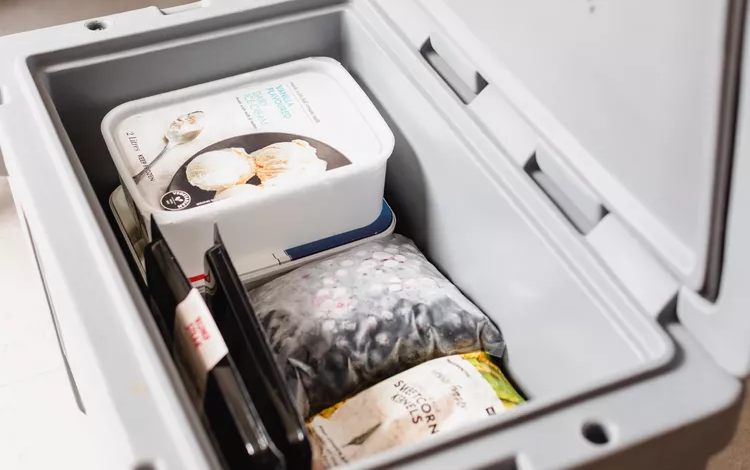
To keep the freezer working efficiently, avoid overloading it; store food evenly inside to ensure proper air circulation, and make sure food is fully covered or placed in airtight containers. Clean up any spills from ice trays to prevent the freezer from becoming too icy.
8. Cooling the Refrigerator before restocking
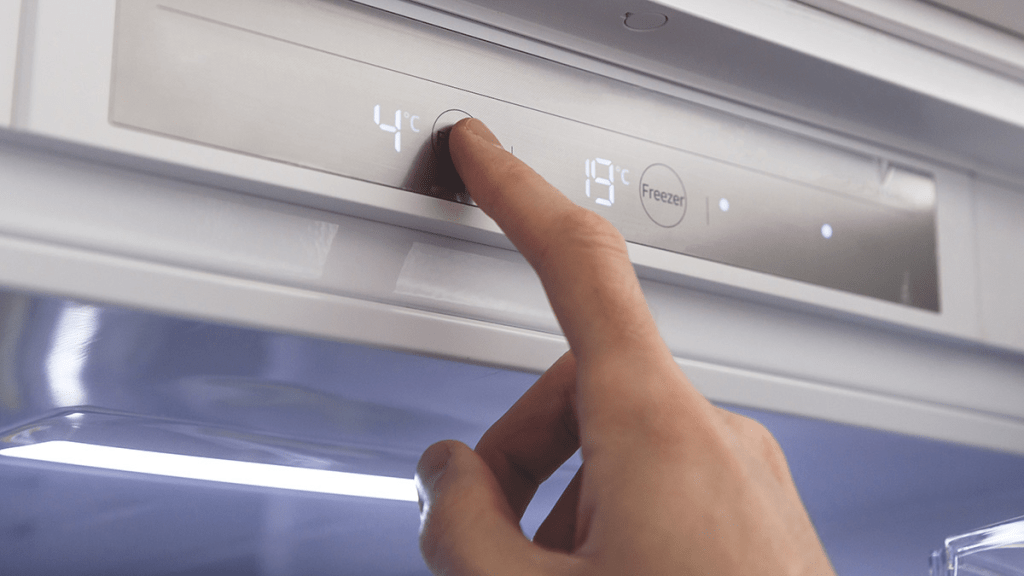
With the refrigerator thoroughly cleaned and dried, close the door (and turn the temperature control back on if needed), and wait for the temperature to drop below 4°C/40°F before restocking it. If your refrigerator has a quick chill function, use it to speed up the cooling process. Similarly, ensure the freezer reaches -18°C/0°F before placing food back in it.
At this stage, it’s important to note that if you don’t plan to use the food before its expiration date, you should place it in the freezer. Most packaged foods have clear labels and advice on whether they can be frozen. However, if the information is not available, we have a comprehensive guide on how to freeze food.
If you use this task as an excuse to order takeout, make sure to store any leftovers properly. Lynsey Crombie, also known as Lynsey Queen of Clean, advises: “Keep leftovers in small, labeled plastic containers. I find that the containers you get after eating Chinese or Indian food are very handy and the perfect size. Also, be sure to note the date when you put them in the refrigerator.”
9. Finally, clean the exterior of the refrigerator
Just like you used soapy water or baking soda inside the refrigerator, you can use them for cleaning the exterior as well. Wet a soft cloth, apply some baking soda, and start wiping. Remember to clean the top of the refrigerator, as it’s an often-overlooked area that can accumulate a lot of dust. Pay special attention to the area around the handles, which tends to get dirty from frequent use.
For the exterior of the refrigerator, if you already have vinegar at home, there’s no need to buy additional cleaning products. The acetic acid in vinegar will break down any bacteria while keeping your refrigerator handles free of fingerprints and sparkling clean.

Tips to Keep Your Refrigerator Clean
-Cover the trays and shelves with plastic liners or kitchen towels. You can also use cling film and aluminum foil. Don’t forget to place a towel or dry paper at the bottom of the trays to prevent juice or vegetable spills from causing messes. For best results, replace this paper every week.
-Cover the trays and shelves with plastic liners or kitchen towels. You can also use cling film and aluminum foil. Don’t forget to place a towel or dry paper at the bottom of the trays to prevent juice or vegetable spills from causing messes. For best results, replace this paper every week.
-Store leftovers in glass food containers. This ensures you can see them and eat them rather than forgetting about them in the fridge for weeks. You can also use labels or sticky notes to mark each dish individually.
-If you are meticulous about organizing similar types of food together, buy some trays or bins so you can group items together. This is especially important for the freezer, as frost on packages of meat and fish can make them difficult to retrieve. To make retrieval easier and reduce cross-contamination, you can place them in separate containers.
-To keep the fridge smelling fresh, place a box of activated charcoal at the back of the bottom shelf. If you don’t have activated charcoal, use a bowl of baking soda or cut a lemon in half and place it in the fridge for 2-3 days before replacing it with another. If you like the smell of coffee, you can also place a few coffee beans in a small bowl; it will help eliminate odors and leave a pleasant aroma.
LET CALIBEE TAKE CARE OF YOUR HOME