Estrogen is one of the two main sex hormones in our bodies, responsible for promoting reproductive and sexual development in both men and women. Low estrogen levels can negatively affect your mood, bone health, and libido, among other issues. The following foods can increase estrogen levels by supporting its production or mimicking its activity in the body.
Phytoestrogens, also known as “dietary estrogen,” are natural plant compounds with a chemical structure similar to estrogen. Their estrogen-like effect is much weaker than the body’s own estrogen; they do not significantly raise estrogen levels and cannot replace hormone treatment prescribed by a doctor. Here are some phytoestrogen-rich foods you can include in a balanced diet.

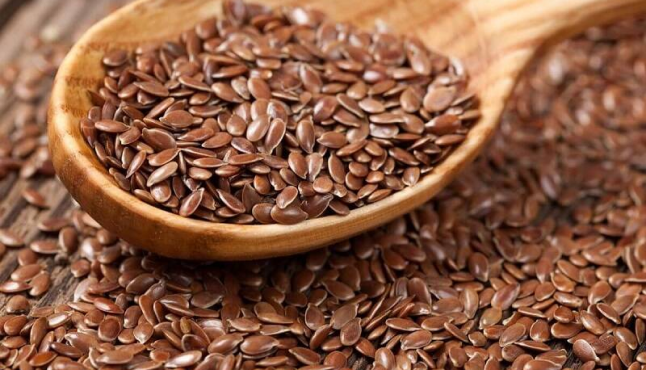
One of the top foods rich in estrogen is flaxseeds, small brown or golden seeds known for their numerous health benefits. These seeds are high in lignans, a group of chemical compounds that act as phytoestrogens and are beneficial in estrogen metabolism. Studies suggest that phytoestrogens in flaxseeds can help reduce the risk of breast cancer, especially in postmenopausal women.


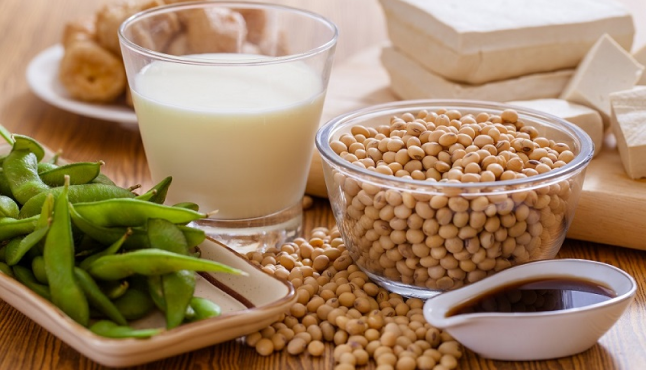
Soybeans contain a wealth of vitamins, minerals and protein, and are rich in a type of phytoestrogen called isoflavones. You can add various soy products like tofu, edamame, tempeh, soy yogurt and soy milk to your diet. Some observational studies, mainly in Asian women, have linked high soy intake with lower breast cancer mortality; however, isoflavone supplements have not been shown to have the same benefit.
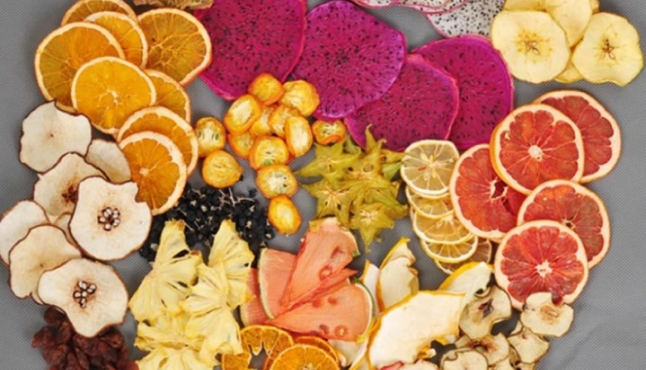
Dried fruits are not only nutritious but also make for tasty and easy snacks. They are a potent source of various phytoestrogens and fiber. Dried fruits like prunes, dates, and dried apricots have significantly higher levels of phytoestrogens compared to fresh fruits.


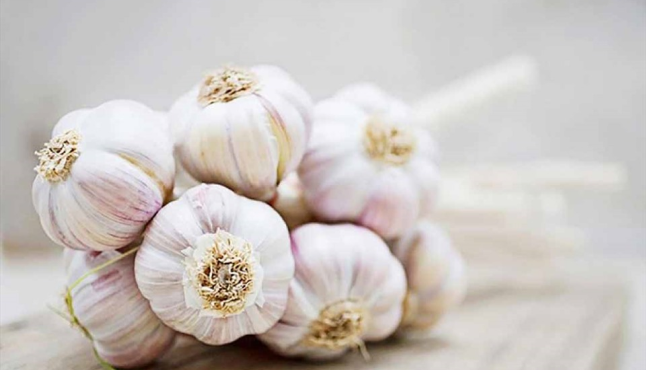
Garlic is not only widely known for its culinary value but also for its potential health benefits. Studies suggest that garlic oil supplements can protect postmenopausal women from bone loss due to estrogen deficiency. Rich in isoflavonoids, garlic can also reduce the risk of heart disease by lowering cholesterol levels, preventing blood clots, and reducing blood pressure.
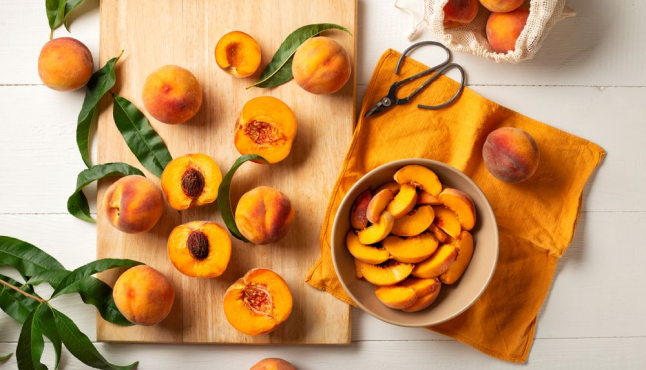
Peaches are known for their sweet, delicious flavor. They contain lignans, a type of phytoestrogen, as well as essential vitamins and minerals. Some observational studies have found that postmenopausal women who eat peaches regularly have a lower risk of breast cancer, but this is only an association – it does not prove that eating peaches prevents cancer.


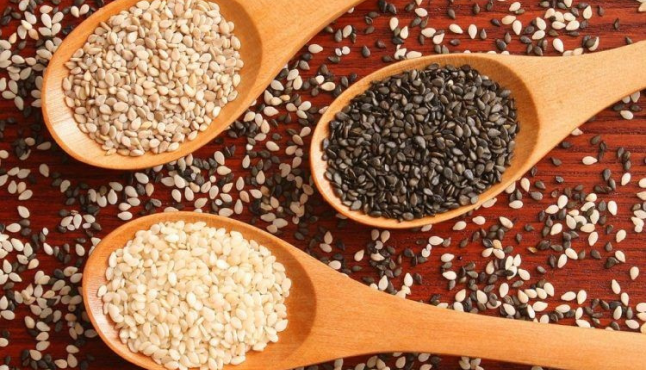
Seeds Sesame seeds are another top estrogen-boosting food, rich in phytoestrogens and other important nutrients. These fiber-rich seeds can be added to almost any meal and help maintain optimal cholesterol levels. A small study in postmenopausal women found that eating sesame seed powder daily may improve some hormone levels and blood cholesterol, but more research is needed to confirm this.
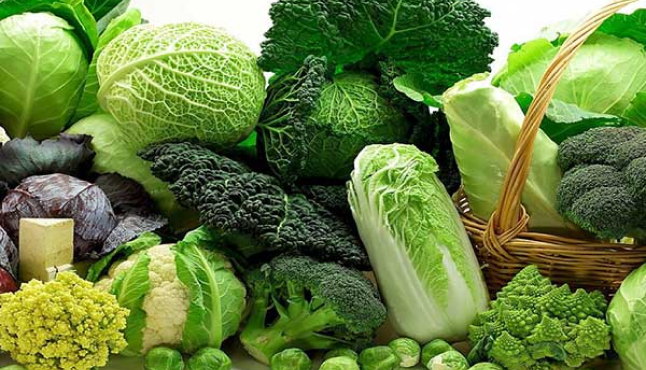
Vegetables Cruciferous vegetables should not be overlooked when listing estrogen-rich foods. This group includes various green, leafy vegetables with diverse textures, nutrients, and flavors, such as broccoli, Brussels sprouts, cauliflower, and cabbage. These vegetables contain high levels of different phytoestrogens. With strong anti-inflammatory and anti-cancer properties, they can reduce the risk of several chronic diseases, including heart problems.


Nuts like peanuts, walnuts, cashews, almonds, and pistachios contain some phytoestrogens. They are also rich in various vitamins and minerals, providing numerous health benefits. Nuts can easily be incorporated into your diet, but be sure to consume them in moderation due to their high fat and calorie content.
![]()
Berries such as strawberries, blueberries and raspberries contain small amounts of phytoestrogens and are rich in fibre, vitamin C and antioxidants. Eat them on their own, or add them to yoghurt or oatmeal. Note: do not drink alcohol, including red wine, to raise estrogen or prevent disease – alcohol increases the risk of breast cancer even at low amounts.
The phytoestrogen-rich foods above can be part of a balanced diet, but their estrogen-like effect is very weak and they are not a substitute for treatment. Do not ignore persistent issues or worsening symptoms. If symptoms become severe enough to interfere with your daily life, see a doctor for a proper diagnosis and treatment plan. In particular, if you have or have had breast cancer or another hormone-sensitive condition, have fibroids or endometriosis, or are taking hormone medicines, ask your doctor before eating large amounts of soy or flaxseed or taking phytoestrogen supplements.
Which foods are high in estrogen?
Several foods can increase estrogen levels in your body. These foods are typically rich in phytoestrogens, also known as dietary estrogen. In addition to the foods listed above, other powerful estrogen sources include berries, wheat bran, fennel, alfalfa sprouts, and hummus.
What are the signs of low estrogen?
Common signs of low estrogen levels include:
Which vitamins help produce estrogen?
B vitamins, including B2 and B6, are associated with optimal estrogen levels. Additionally, vitamin D positively impacts estrogen production in your body.
What causes estrogen levels to drop?
The most common cause of low estrogen levels is age and genetic disorders.
How can you naturally address low estrogen levels?
Besides incorporating estrogen-rich foods into your diet, you can take the following steps to naturally address low estrogen levels:
This article is for general information only and does not replace a doctor's diagnosis or advice; ask a doctor or pharmacist before taking any medicine, and call 115 in an emergency.
© 2021 Calibee