


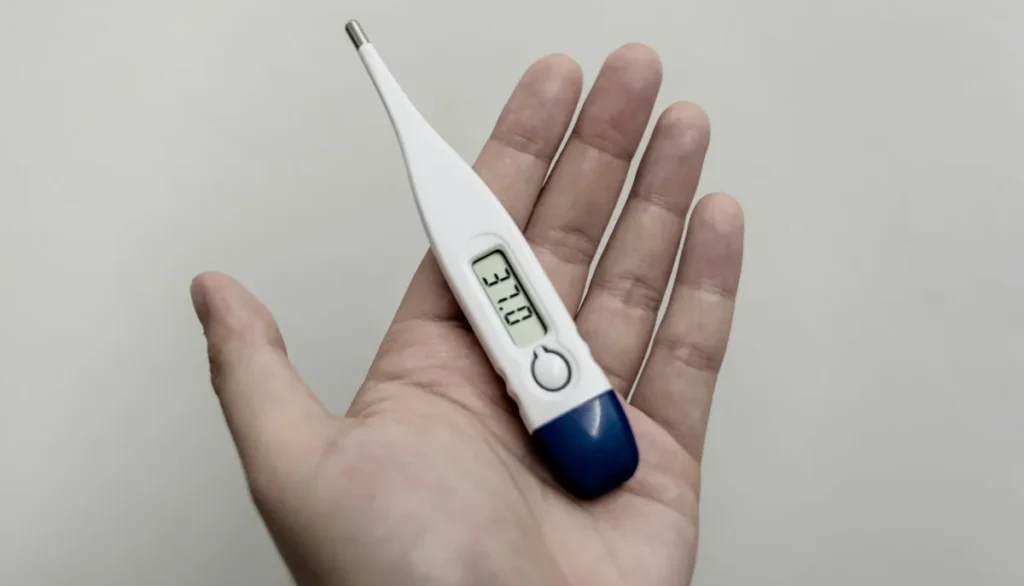
Dos and Don'ts for Treating Fever in Children
There’s hardly anything that makes parents feel more helpless than when their child has a fever. Although your child may seem distressed, a fever is actually a good thing.
Pediatrician Erin Frank says, “Most of the time when children have a fever, it’s simply their body’s response to an infection. Parents think that their child having a fever is a bad thing, but it’s a sign that the body is functioning normally.”
When to Call a Doctor for Your Child’s Fever
Many parents are unsure when to call a pediatrician if their child’s temperature spikes.
There is no single temperature that decides when to call the doctor – how your child seems overall matters as much as the number on the thermometer. However, if a child of any age has a temperature of 40°C or higher more than once, or if you are worried, call the doctor or take your child to be seen straight away. The doctor can reassure you or give advice, especially if you’re calling in the middle of the night.
The doctor will try to determine the cause of the fever. Usually, the main cause is a cold or viral infection. Sometimes, it’s a bacterial infection, such as strep throat or an ear infection. The pediatrician will also want to know how high the fever is.
What to Do When Your Child Has a Fever

- – You can do several things to lower your child’s fever, such as:
- – Use Medication: “When children feel really unwell, they become more fussy and irritable,” Dr. Frank says. “By treating the fever with some common over-the-counter medications, your child will feel more comfortable.”
- – Monitor Dosages: You can give your child paracetamol or ibuprofen, but use the correct dose for their weight and keep to the time between doses shown on the label; ask a doctor or pharmacist if unsure. Use the measuring device that comes with the medicine, not a kitchen spoon. Do not alternate the two medicines unless a doctor advises it. Do not give ibuprofen to babies under 6 months without asking a doctor, and never give aspirin to children under 16. The medicine usually takes 30 to 60 minutes to work.
- – Apply Lukewarm Compresses: If your child’s skin feels hot, a cloth soaked in lukewarm water on the forehead may make them more comfortable. Do not use cold water, ice or alcohol to cool your child.
- – Encourage Hydration: Provide a variety of drinks other than water, such as an oral rehydration solution (ORS) made up exactly as the packet says (not stronger or weaker) or milk; if your child is breastfed, offer the breast more often. “Your body needs fluids. It’s not necessary to eat much in the short term, but staying hydrated is important for a sick child.”
- – Dr. Frank advises that if your child has a fever, don’t:
- – Give them a cold bath as it may cause discomfort.
- – Push them to maintain a regular routine. Children need rest.
- – Take your child to a doctor if they are under 2 and have had a fever for more than 24 hours, if they are older and have had a fever for more than 3 days, or if their temperature is 39°C or higher. If your baby is under 3 months old and has a temperature of 38°C or higher, take them to a doctor straight away, even if they seem otherwise well. In Vietnam, a persistent high fever can also be a sign of dengue, so have your child checked. Call 115 or go to hospital straight away if your child has a seizure; is very drowsy or hard to wake; has difficulty breathing; has a stiff neck; has a rash that does not fade when pressed; keeps vomiting; or shows signs of dehydration (no tears when crying, dry lips, passing very little urine).
- – >>>You might be interested in: Top Tips to Calm a Child’s Anger
LET CALIBEE TAKE CARE OF YOUR HOME




References
- Fever: When to Call the Pediatrician – AAP – HealthyChildren.org
- High temperature (fever) in children – NHS
- Should You Give Kids Medicine for Coughs and Colds? – FDA (USA)
This article is for general information only and does not replace a doctor's diagnosis or advice; ask a doctor or pharmacist before taking any medicine, and call 115 in an emergency.

